Fathers & Sons
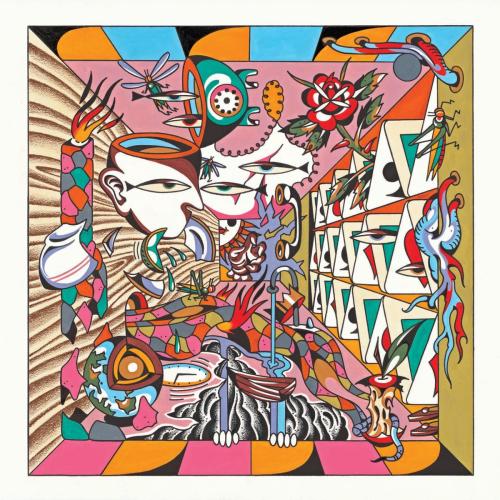
Fathers & Sons brings Luke Combs' music into a quieter space. Acoustic instruments and a restrained pace support songs about parents, children and the time they have together. The rough strength of his voice remains, but it is used to communicate affection and uncertainty rather than drive another big party chorus. The focused approach gives the album a clear identity.
Front Door Famous makes that change feel natural. The attention that matters comes from arriving home, where a child's welcome outweighs recognition elsewhere. The song is sentimental, but the plain situation gives the feeling something solid to rest on. Combs does not need an elaborate story to make the moment count.
All I Ever Do Is Leave looks at the other side of that welcome. Absence becomes a difficult part of providing for a family, with the worry of missing important moments. The writing allows love and regret to exist together. It is more affecting than a simple statement that family always comes first.
Whoever You Turn Out to Be takes the album's strongest idea further. A parent's hopes give way to the recognition that a child may want a different life. The song finds warmth in acceptance rather than another promise to pass down the same interests unchanged. That generosity gives the familiar country setting a more individual purpose.
Huntin' By Yourself considers how shared activities change when someone is missing, while Remember Him That Way looks at a father becoming older. In Case I Ain't Around moves towards the possibility of a final absence. These are related situations, but the different stages of life keep the subject from being entirely static.
The main limitation is musical. The soft, reflective arrangements often settle into a similar pace, and the careful sentiment can become too sweet. There are times when another texture or a sharper change in energy would help a song stand apart.
Even so, twelve songs make a well-judged whole. Fathers & Sons keeps its attention on small moments instead of treating fatherhood as a series of slogans. The best writing leaves room for mixed feelings, and Combs' committed singing makes those doubts and hopes worth following.