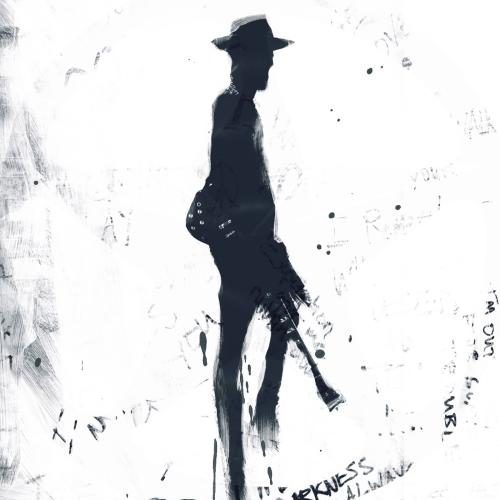
Mood Swings
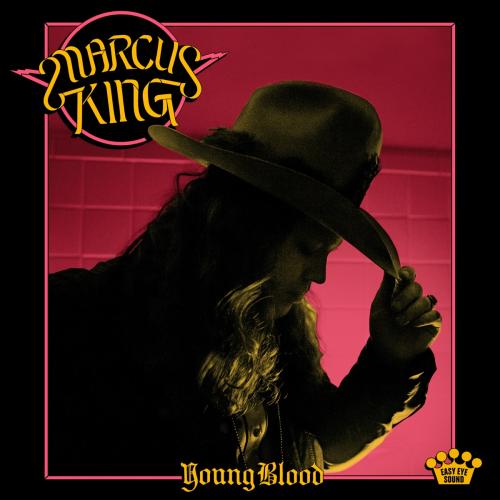
Mood Swings takes Marcus King towards a quieter, more soulful sound. The forceful guitar approach of Young Blood gives way to slower grooves, carefully placed instruments and a much greater focus on his voice. Made with producer Rick Rubin, the record gives its reflective songs a setting that is easy to enter without making their feelings seem simple.
King’s singing carries most of the weight. He often moves into a higher register, giving the lines an exposed, pleading quality. The guitar remains part of the music, but it is more likely to add a texture or answer a vocal than to begin a long solo. That restraint helps the songs keep their focus.
“F*ck My Life Up Again” shows how much detail sits inside the slower approach. Strings, backing voices and reversed guitar give the arrangement movement around the lead vocal. The song has a smooth surface, but the performance keeps a stronger emotional edge underneath it.
“This Far Gone” brings in a more acoustic character, while “Delilah” puts piano at the centre and gives a distorted guitar solo a clear place in the arrangement. “Inglewood Motel (Halestorm)” adds another variation through its keyboards, muted horns and looser feel. The album rarely speeds up, but it does not rely on one identical setting.
The same consistency creates its main limitation. Individual songs can be difficult to separate because the record keeps returning to a similar pace and vocal mood. King makes the quieter performances count, though the album would have a stronger overall shape with a few more pronounced changes in energy.
“Save Me” provides a reminder of his careful guitar playing without stepping outside the record’s softer sound. Mood Swings is effective when those instrumental details support the singing instead of competing with it. Listeners looking for another heavy blues-rock album may miss that side of King, but the change has a clear purpose. It is an intimate, well-arranged record whose best moments come from keeping the performance close.