The Sufferer & the Witness
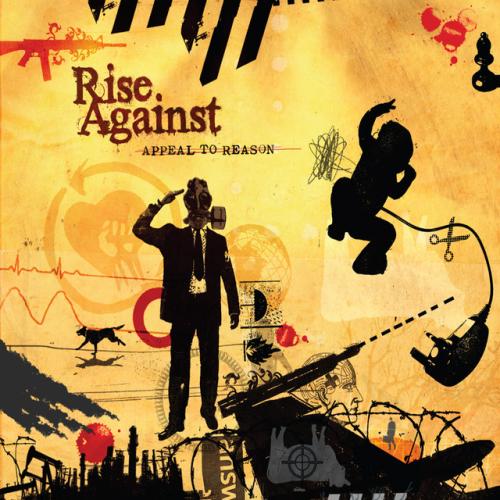
The Sufferer & the Witness gains much of its force from how quickly Rise Against can change the pressure of a song. The band move from restrained verses into racing choruses without making the shifts seem arbitrary. Tim McIlrath's rough voice holds those changes together, keeping the emotion clear even when the playing becomes intense.
Injection and Ready to Fall give the early sequence a strong drive. The guitars have enough melodic shape to be memorable in their own right, and the drums keep the songs moving towards their next turn. The choruses are inviting, but the performances do not sound relaxed about what they are trying to communicate.
Prayer of the Refugee is the album's clearest achievement. Its weary opening makes the faster chorus feel like an answer that has been fought for. The arrangement helps a story of displacement become immediate without reducing it to a slogan. The transition into Drones then keeps the record's momentum intact.
The band also know when a brief attack is enough. Bricks makes a fast, aggressive statement and leaves before the idea becomes familiar. The Approaching Curve takes the greater risk, using spoken delivery and a contrasting backing voice to create a different kind of unease. The experiment works because the rhythm provides continuity while the story becomes more troubled.
A few choruses, including parts of Under the Knife, are less distinctive than the strongest material around them. The band's reliable force can make those passages sound important before the tune has fully earned it. Still, the album contains enough changes in pace and perspective to keep its intensity useful.
The Good Left Undone offers another strong shift between urgency and a more open chorus, reinforcing how well Rise Against can make a simple structural change carry feeling. The record's appeal goes beyond its commitment to worthy subjects. It is a tightly played, carefully shaped collection in which the musical decisions often make the emotional argument more clearly than another line of explanation would.