Trail of Flowers
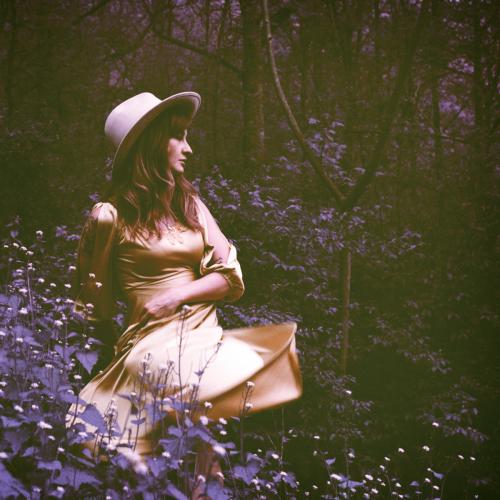
Sierra Ferrell makes old musical styles feel unusually easy to enter on Trail of Flowers. Country, folk and bluegrass sit together without the songs sounding like exercises in different genres. Her voice does much of the work. It can be light and playful, then reveal a rougher edge that changes the feeling of a line. The performances have character without constantly asking for attention.
American Dreaming opens with the less comfortable side of a life spent travelling and performing. The song has an inviting melody, but its tiredness and uncertainty give the record a useful starting point. Ferrell can make the dream sound attractive while showing what it costs to keep chasing it.
Dollar Bill Bar handles a different disappointment with a relaxed country-rock shuffle. Its easy movement sits against the repeated frustrations of the story, giving a familiar barroom setting some emotional depth. Money Train moves through another kind of journey, and the change of pace helps keep the album from settling into one mood.
There is plenty of livelier music here too. Fox Hunt makes its fiddle a forceful presence, although the large wordless vocal passages push the drama harder than the song needs. I Could Drive You Crazy finds a more natural release. Its high fiddle opening leads into a confident singalong, with humour and desire sharing the space. Ferrell sounds comfortable leading the gathering rather than performing above it.
The quieter songs are just as important. Wish You Well treats a damaged relationship without turning the hurt into a demand for revenge. Lighthouse adds bittersweet harmonies to a search for reassurance, leaving enough uncertainty for the feeling to remain believable. These moments give the brighter performances something more substantial to sit beside.
Trail of Flowers works through interpretation, vocal detail and well-chosen contrasts. Ferrell can carry an old-time song such as Chittlin' Cookin' Time in Cheatham County without making it feel preserved behind glass. A few flourishes are more emphatic than necessary, but the album's warmth survives them. This is an inviting roots record with enough restlessness, humour and hurt to keep its familiar materials alive.