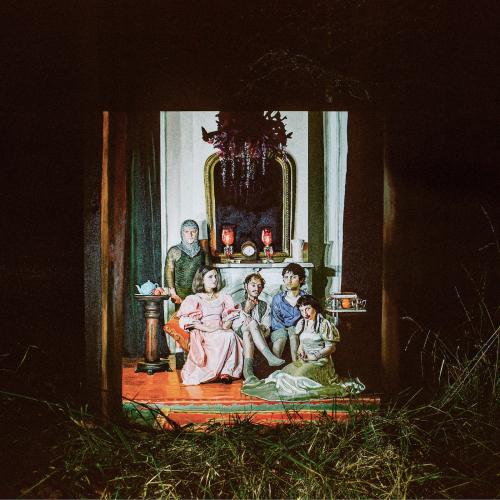
Aurora
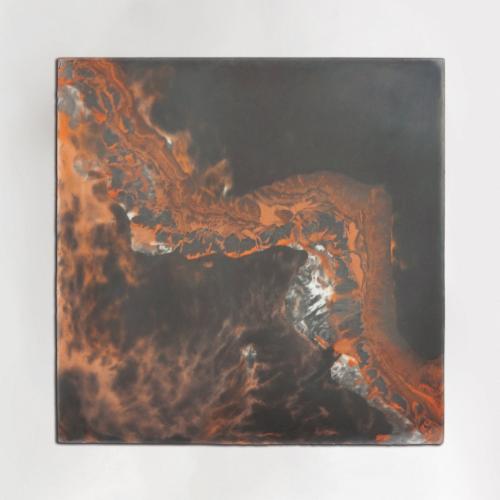
Aurora gives Slow Crush a strong starting point for their heavy, dreamlike guitar sound. The band combine dense distortion with melodies that seem to sit further back in the mix, creating music that feels powerful without being constantly aggressive. The songs share a clear identity, but changes in pace and space help them avoid becoming a single wash of effects.
Glow opens with more energy than the band's name might suggest. The drums and small rhythmic changes keep its dense sound moving, making it a useful introduction to the record. The arrangement has weight, but it also gives the melody enough room to make an impression. Its urgency provides a firm base for the slower passages that follow.
Drift makes that change in mood clear. The lighter vocal presence floats through a heavier instrumental setting, with a darker feeling beneath the surface. The song is appealing because those qualities work together. The softness does not remove the tension, while the larger guitar sound leaves room for a more fragile human element.
Tremble has more time to develop its atmosphere. The bass helps create an uneasy movement, and the surrounding sound opens enough for Isa Holliday's voice to become more noticeable. That gradual change gives the longer arrangement a direction. Slow Crush do not have to keep adding force to hold attention.
The closing title track places greater emphasis on melody while keeping the same hazy character. It makes a fitting ending because it develops the record's strongest qualities instead of introducing a completely different style. The eight-song sequence generally benefits from that focus, keeping its heavier and more intimate moments closely connected.
There are limits to the approach. The instruments sometimes push the singing too far into the background, and Collide is less convincing than the stronger material around it. The album also offers a confident version of an established sound rather than a major change to it. Even so, Aurora gives its textures a clear musical purpose. The best songs use rhythm, patient development and quiet melody to make the weight feel personal, leaving a strong impression without needing to turn every passage into a climax.