A Sailor’s Guide to Earth
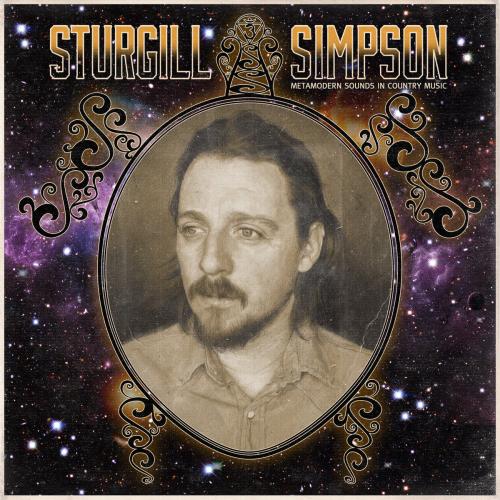
A Sailor's Guide to Earth brings country, soul and orchestral detail into a record with a clear personal purpose. Sturgill Simpson writes around the responsibilities of fatherhood, but the arrangements rarely settle into one predictable form. Horns, strings and pedal steel give the songs different kinds of movement. His low, expressive voice keeps those changes connected.
Welcome to Earth (Pollywog) makes the approach clear. It begins gently, with piano and strings around a direct greeting to his son, before turning into a much more energetic soul performance. The arrival of the horns changes the song's scale without losing the feeling behind it. That movement between tenderness and force becomes one of the album's main strengths.
Breakers Roar stays closer to the quieter side. Acoustic guitar, strings and pedal steel give the melody a soft, patient setting, letting Simpson's delivery carry the emotion. Keep It Between the Lines moves in another direction, using a firm Southern funk rhythm and a gospel-like refrain around its fatherly advice. The playing gives the song energy without distracting from its purpose.
Sea Stories keeps a more traditional country shape, with bright acoustic strumming and prominent steel guitar. The familiar setting works because the melody is strong. In Bloom makes a bolder choice, turning the Nirvana song into a measured country ballad. The change reveals another emotional quality in the melody rather than simply placing a country voice over the original arrangement.
The second half is less consistently focused. Brace for Impact (Live a Little) begins as a strong, dark guitar track, but its extended closing passage loses some direction. Call to Arms provides an energetic final release, bringing the record's concerns into an angry anti-war performance. Its force is convincing, although the melody is less distinctive than the arrangement around it.
Those uneven stretches do not outweigh the quality of the whole. Simpson uses the wider instrumentation to develop the songs, and the best moments make familiar country elements feel unusually flexible. A Sailor's Guide to Earth is ambitious without losing its direct emotional centre. It is strongest when its musical changes give the writing another way to speak, rather than simply making the sound larger.