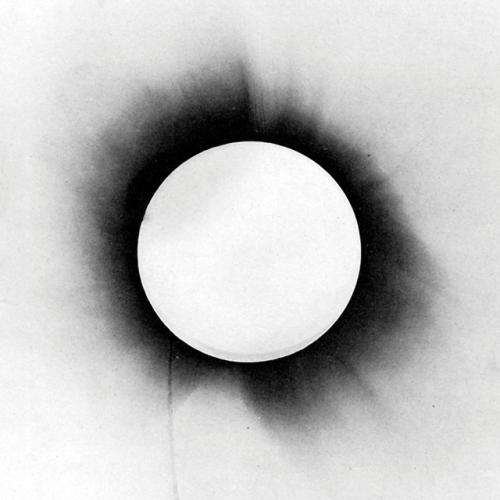
Holy Hell
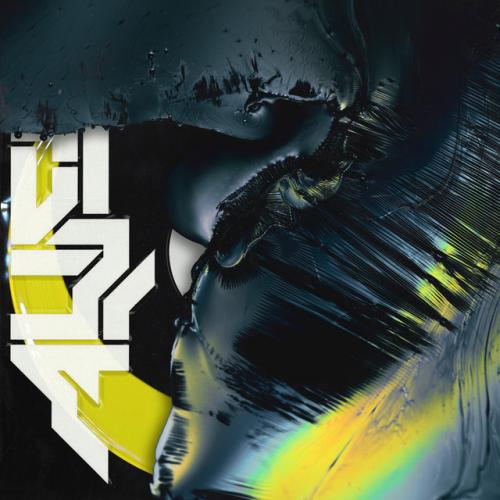
Grief gives Holy Hell a clear emotional center, but the songs do more than state that grief. Architects turns it into changes of pace, strained melodies and repeated guitar figures that seem unable to settle. The loss of guitarist Tom Searle informs the record, while the arrangements give that context a form the listener can understand without knowing every detail of the story.
Death Is Not Defeat opens with a mixture of orchestral atmosphere and tightly controlled weight. Sam Carter's delivery makes the chorus feel difficult to sing in an expressive sense, even as its melody invites a shared response. Hereafter continues that balance. The guitar figure has enough movement to keep the verses unsettled, and the larger chorus gives the tension a clear release.
Doomsday is the strongest complete song. Its recurring guitar pattern is immediately identifiable, while the drums keep changing the pressure around it. The melodic refrain does not erase the unease established by the riff. Both qualities remain present, making the song feel more emotionally complicated than a simple movement from pain toward reassurance.
Royal Beggars uses a similar contrast with a slightly different emphasis, allowing cleaner vocal passages to make the heavier entry feel more severe. The Seventh Circle is a useful interruption: a brief, concentrated attack that prevents the album's larger choruses from defining everything. At the other end, A Wasted Hymn gives the sequence a slower, more open conclusion, with its instrumental atmosphere supporting a reflective vocal rather than demanding another breakdown.
Some songs use closely related routes from technical verse to broad refrain. The strings and electronic layers can also make the emotional direction too explicit, leaving less space for an unexpected response. Holy Hell is most convincing when a distinctive musical figure carries the feeling without needing every layer to underline it.
Those moments are frequent enough to make the record substantial on its own terms. Carter's performances have force and vulnerability, and the best arrangements give both room to coexist. Holy Hell does not offer a neat emotional finish. It makes continuing through uncertainty sound like a difficult, active process, and its strongest songs give that process a lasting musical shape.