Future’s Shadow Part 1: The Clandestine Gate
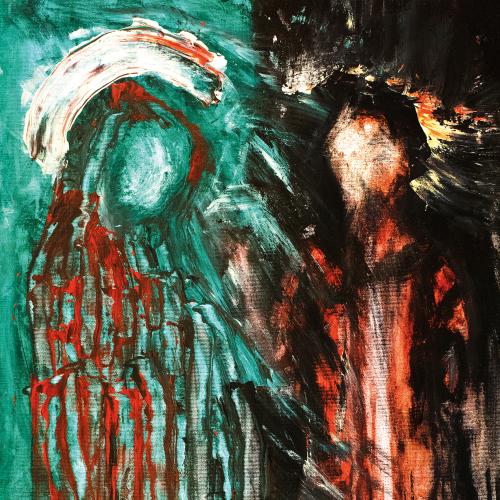
The Clandestine Gate again makes Bell Witch's extended form its starting point. It takes plenty of time over every change and often leaves considerable space between bass, drums and voices. A greater role for organ and keyboards makes the sound smoother without removing the heavy foundation.
The opening first relies on sustained organ tones. Enough space remains for every new note to stand out. When bass and drums add more weight, the change in scale feels genuine. The transition works because the band never use their full force too quickly.
Vocals sit deeper within the whole than before. Clean voices and harsher cries become part of the same background rather than repeatedly claiming attention. This strengthens the unity, but also makes the work less direct. Melodies emerge more often from the collective sound than from one clearly foregrounded part.
A darker bass-centred section later gives the long development another character. Plucked notes sound earthier and more sharply defined than the broader textures around them. Towards the end, separate notes again receive more room to resonate. The record maintains different kinds of tension within the same slow pace.
Not every passage needs so much development to make its point. Some transitions are lengthy, and the ending offers less of a major release than the build might suggest. The Clandestine Gate still convinces through its carefully balanced sound, however. Bell Witch allow heavy passages to grow from restraint and make voices part of the whole. Give that approach time and many small changes contribute to a strong overall form. This is demanding doom which generally supports its scale through attention and clear decisions.