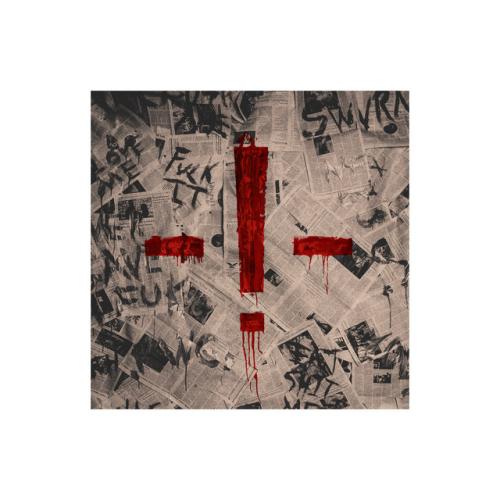
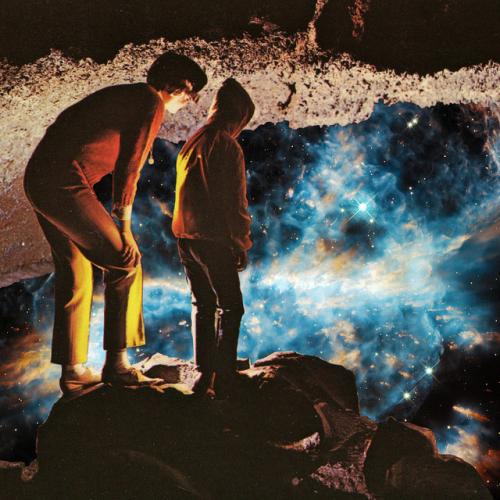
Fission
Fission turns personal uncertainty into music with a very firm physical presence. Dead Poet Society give the guitars a thick, distorted edge and keep the bass moving underneath, while Jack Underkofler's voice can rise well above the arrangement. The album works best when that contrast creates suspense. A song can sound confident even while the person inside it feels much less secure.
“5:29:45” opens with a strong stop-and-start movement. The gaps make the returning riff feel heavier, and the vocal harmonies give the chorus a clear outline. “Hard To Be God” is another highlight, mixing spoken and sung phrasing over a rough guitar part. Its look at ego has enough playfulness to keep the song from becoming a lecture. The band lets the rhythm carry some of the attitude instead of leaving everything to the words.
“HURT” uses a more direct push, with percussion and heavy guitar working toward an immediate release. “Uto” brings a valuable change through a more melodic vocal performance, allowing Underkofler's upper range to sound expressive rather than simply impressive. The quieter “Tipping Point” also gives the emotion a different scale. These moments help because several harder songs share similar patterns of weight and release. The sound is distinctive, but the writing does not always give each track a separate reason to occupy it.
The production is particularly effective when it leaves empty space around a riff. “81 Tonnes” and the closing “Black and Gold” benefit from that control, with the latter giving the album a theatrical final turn as Underkofler's voice changes register. Fission has less variety than its individual performances initially suggest, and some hooks are more dependable than memorable. Still, the band understands how to make a groove feel tense without making it difficult to follow. Its strongest songs use contrast purposefully, letting a pause, a cleaner melody or a different vocal tone become as important as the next heavy entrance.