Secondhand Daylight
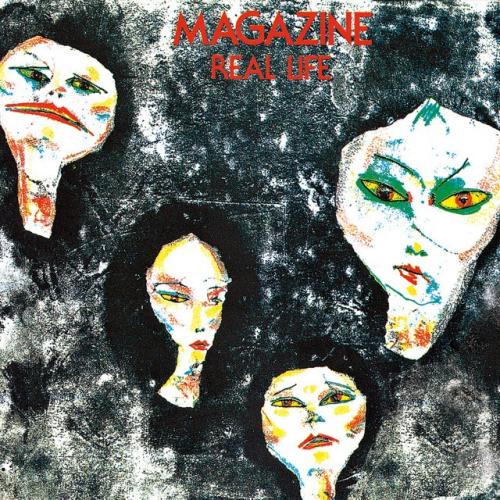
Secondhand Daylight brings Magazine’s keyboards further forward and makes the surrounding music colder. Dave Formula’s playing can be spacious, harsh or suddenly forceful, while the bass remains unusually prominent. Howard Devoto sounds detached, but the band gives his words an uneasy emotional setting. This is a less immediate album than Real Life, with more interest in holding tension than releasing it.
Feed the Enemy establishes that mood through keyboards and heavily treated bass. The guitar adds its own pressure without dominating the mix. The arrangement moves patiently, drawing attention to the different sounds rather than rushing towards a large chorus. It introduces the record’s less welcoming character.
Rhythm of Cruelty initially offers a more upbeat contrast, though the middle section makes the tension return. I Wanted Your Heart finds energy in an unexpected turn of the riff and a more forceful piano passage. Such details matter because the band can change the effect of a song without abandoning its basic identity.
The relationship between guitar and keyboards remains the central strength. John McGeoch and Formula leave room around each other’s lines, and Barry Adamson’s bass adds another independent voice. Devoto’s delivery often sits between speaking and singing. Rather than competing with the instruments, it gives their changes something clear to work around.
The cold sound has drawbacks. The drums can feel brittle, and the shortage of quick hooks makes the album harder to enter. Closing track Permafrost takes that discomfort to a particularly strong conclusion, keeping its dark mood under tight control. Secondhand Daylight will not suit every listening mood, but its commitment is convincing. The performances are detailed without becoming a display of technique, and the atmosphere is sustained through the writing as much as through the production.