Remedy Lane
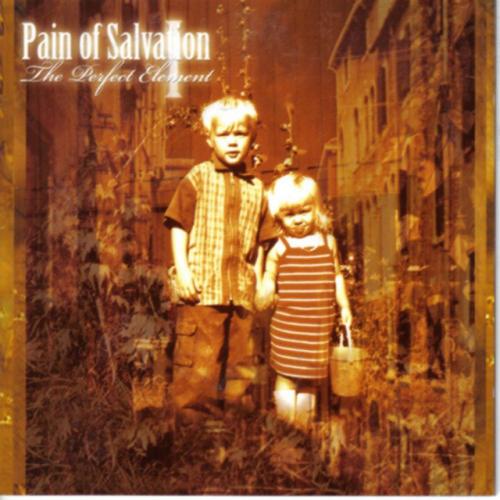
Remedy Lane makes technical playing feel uncomfortably personal. Pain of Salvation use shifting rhythms and abrupt changes of mood to express uncertainty, desire and loss, with Daniel Gildenlöw's voice moving between control and distress. The difficult instrumental shapes have a human reason to exist.
Ending Theme gives the album an early melodic centre. The keyboards establish a recognisable idea, and the guitar and vocal variations give it a growing emotional weight. The song is accessible without making the feelings seem simple. Its questions remain unsettled even when the chorus provides something immediately memorable.
Fandango is a much stranger encounter. The rhythm seems to pull the voice in several directions, making the arrangement feel anxious and physically awkward. The effect suits the album's interest in people who cannot easily understand themselves or one another. Some vocal exchanges are more mannered than necessary, but the song's rhythmic identity is unmistakable.
A Trace of Blood connects strong guitar figures with expressive piano detail. The heavier performance and the exposed singing work toward the same feeling, making its grief register through the music before the subject needs explaining. This Heart of Mine (I Pledge) offers a gentler counterweight, showing how directly the band can communicate when the arrangement becomes less confrontational.
Undertow is particularly powerful in the way it develops a small idea. The quieter opening gives the eventual anger a clear emotional foundation, and the return of the same material under greater pressure makes the change feel consequential. Rope Ends then makes a more intricate rhythmic relationship serve another disturbed state of mind.
Dryad of the Woods offers a valuable instrumental pause, allowing acoustic colour to alter the scale before the closing chapter. Second Love is more straightforward in its melodic appeal, while Beyond the Pale gathers the album's tensions into a substantial final performance. The voice occasionally pushes so hard that the drama risks overwhelming the smaller details, but the commitment remains persuasive.
The record rewards a full hearing without making its individual songs dependent on explanation. Its strongest passages join a clear melody to a less comfortable instrumental setting, allowing both to become more expressive. Remedy Lane gives progressive metal's complexity an unusually direct emotional purpose.