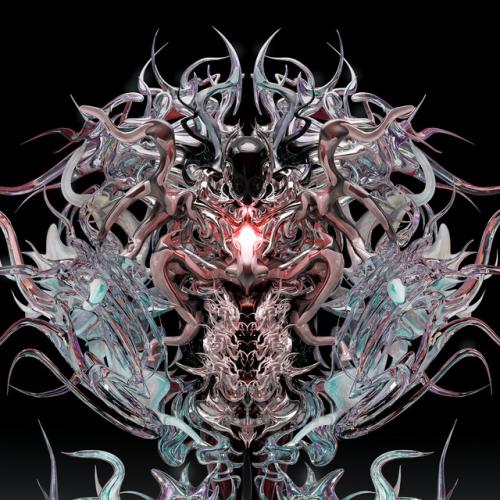
Diorama
Across the Night opens a door Silverchair had only partly approached before. Strings, brass and a twisting vocal melody turn the start of Diorama into something closer to an elaborate pop production than a conventional rock entrance. The surprise is how naturally the band makes that scale feel its own.
Daniel Johns writes melodies here that can change direction without losing their appeal. Van Dyke Parks' orchestral arrangements give those turns extra colour, but the strongest songs do not depend on the instruments doing all the interesting work. Across the Night has a definite internal movement, and Tuna in the Brine makes its changes feel like part of one developing idea rather than a series of impressive additions.
Johns' singing is crucial. He can give a phrase a theatrical lift without making it sound detached from the song, and the wider range of his delivery suits the more detailed writing. World Upon Your Shoulders uses that flexibility well, combining a gentle surface with a melody that keeps revealing another corner. My Favourite Thing also benefits from allowing the vocal to remain delicate inside a carefully shaped arrangement.
The Greatest View is a more immediate point of entry. Its guitar presence and strong chorus keep a connection with Silverchair's earlier work while making room for a broader sound. Without You is effective too, although its more familiar chorus is less interesting than the arrangements surrounding it. A few of the album's large gestures do not have quite the same individuality as its subtler turns.
One Way Mule and The Lever bring back a heavier guitar attack. They provide contrast, but they also reveal how far the centre of the writing has moved. The album is most distinctive when the melody leads the arrangement into unexpected places, rather than when the riff supplies the main argument.
After All These Years gives Diorama a measured piano-led finish. It is a fitting end to a record whose ambition is expressed through movement, colour and strong tunes. Silverchair's transformation matters because the songs justify it. The orchestral scale is impressive; the quality of the writing is what makes it last.