Altered State
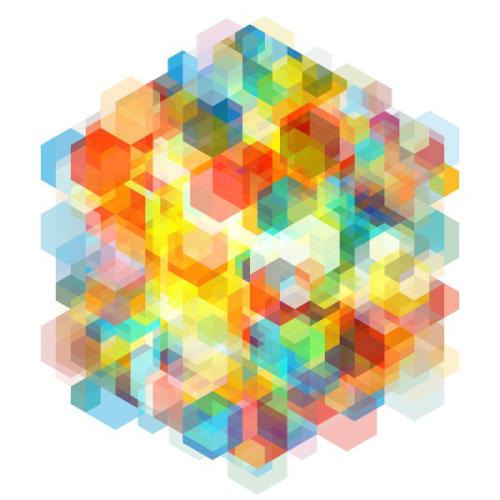
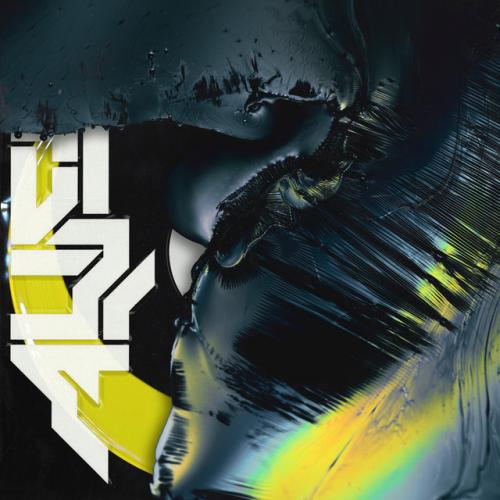
The bass gives Altered State much of its personality. Amos Williams moves through TesseracT's tightly controlled guitar patterns with a rounded, flexible sound, making their complicated rhythms feel surprisingly graceful. Above him, Ashe O'Hara's clean singing creates a continuous melodic presence. The album's interest lies in how those elements share the space rather than compete for attention.
The opening Of Matter sequence establishes a patient flow between its three sections. Proxy introduces the heavy rhythmic vocabulary, while Retrospect gives the vocal melody more room to develop. The shifts feel connected, with quieter textures allowing the next guitar attack to arrive from a different emotional position. O'Hara's layered harmonies suit that approach particularly well. His voice can sound distant and intimate within the same passage, adding uncertainty to music whose timing is exceptionally precise.
Of Mind - Nocturne provides one of the clearest individual songs. Its vocal phrases remain memorable even when the instrumental accents become difficult to predict. The longer Of Mind - Exile develops the atmosphere further, though some repeated guitar patterns hold their place beyond the point where they add much. That tension runs through the album: the rhythm section often suggests freedom, while the low guitar figures can keep the arrangement tied to a narrower movement. The softer leads and keyboard details become especially valuable when they offer a different direction.
The saxophone passages in Of Reality - Calabi-Yau and Of Energy - Embers make that wider possibility audible. Their warmer tone changes the atmosphere without feeling like an unrelated guest feature. By the closing stretch, the combination of voice, bass and sustained texture feels more important than the heavier guitar attack alone. The record is strongest when it trusts that relationship and allows a melodic phrase to develop naturally. TesseracT create a detailed and emotionally inviting form of progressive metal here, with the finest passages making technical discipline feel like the foundation for openness rather than an end in itself.