Mockroot
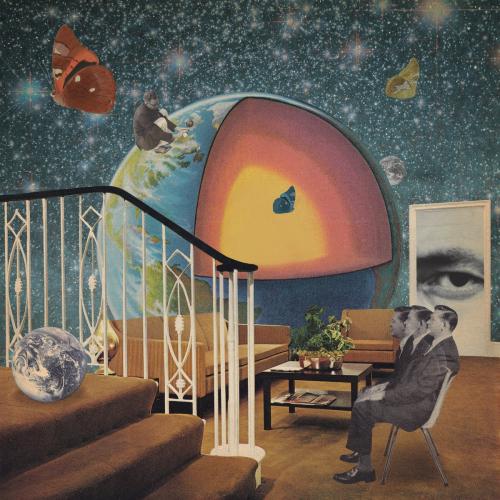
A piano trio can hit surprisingly hard on Mockroot. Tigran Hamasyan often treats his piano as a rhythm instrument, using short, firmly struck patterns that bass and drums follow closely. Much gentler melodies and high vocal lines provide the contrast. That relationship gives the record its character.
The Armenian influences are part of the melodies and the way Hamasyan sings and builds his playing. They never sound like a separate layer added afterwards. Bassist Sam Minaie and drummer Arthur Hnatek give those lines a firm movement. A clear pulse remains even when the rhythms become complicated.
Double-Faced draws much of its force from shifts in speed and intensity. The piano can sound hard and angular before the music opens out again. Entertain Me also chooses a fierce, rhythmic approach. These passages make the connection with progressive rock clearer than the small ensemble might suggest.
Lilac reveals a much gentler side. Its melody stays clear and the performance keeps the emotion close. The Grid uses more complicated piano lines, then allows greater freedom of movement later on. These contrasts make the record broader than a collection of fast, skilfully played pieces.
Repetition remains both a strength and a limit. Some patterns build tension convincingly; others stay in place a little too long. The carefully finished sound can reinforce that feeling, especially when the same movement returns several times. Not every passage works equally well within the long running time.
Still, Mockroot has a distinctive identity. Hamasyan connects forceful rhythms, vulnerable melodies and his voice without reducing them to separate stylistic exercises. The album rewards attention to small changes in the shared playing. Follow those movements and the music becomes both direct and unusual, with highlights that offer much more than technical skill alone.