Vol. II
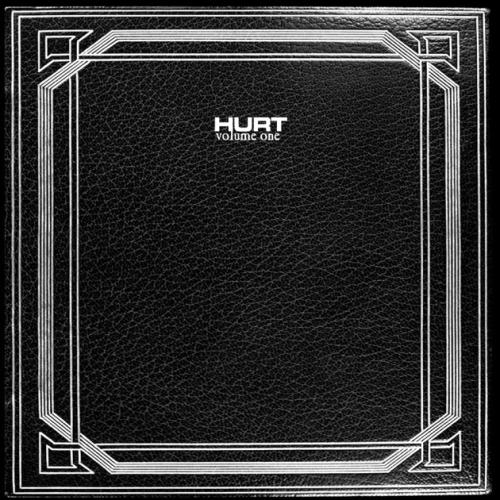
Vol. II develops the quieter side of Hurt without losing the tension that gives their heavy rock its character. The arrangements have more room, and the acoustic instruments feel central to the writing. J. Loren Wince remains an expressive singer, moving between gentleness and a much rougher delivery. The record works as a companion to Vol. I, but its stronger sense of shape makes it rewarding on its own.
Summers Lost establishes the connection through rain and an acoustic guitar figure before the music becomes much more forceful. The changes give the opening a clear sense of development. Ten Ton Brick follows with a more direct structure and a heavy riff, making a strong point of entry without abandoning the surrounding atmosphere.
Aftermath pulls the pressure back again. Its quieter guitar and exposed vocal make the contrast with the fuller material effective. Hurt benefit from allowing these passages to stand without immediately turning them into another display of weight. The emotional intensity remains present even when the arrangement gives it less to push against.
Alone With the Sea is one of the clearest examples. The banjo adds a different colour around Wince's gentler singing, giving the song an identity beyond the band's established rock sound. Assurance brings piano into the verses before the guitar opens up the chorus. Both songs show how the wider instrumental range can serve a strong melody.
Better makes more active use of changing tempo and mood, while Talking to God adds string arrangements to its dramatic shape. The variety is a strength, although not every section is equally memorable. Abuse of SID makes less of an individual impression, and some of the longer developments ask for patience before reaching their strongest moments.
Thank You for Listening gives the album a substantial conclusion through its gradual build and extended guitar work. The ending feels connected to what came before rather than simply larger for its own sake. Vol. II is a confident, varied record whose ambition usually serves the songs. Its best passages make Hurt's combination of acoustic detail, expressive singing and heavier release feel both natural and distinctive.