Parrhesia
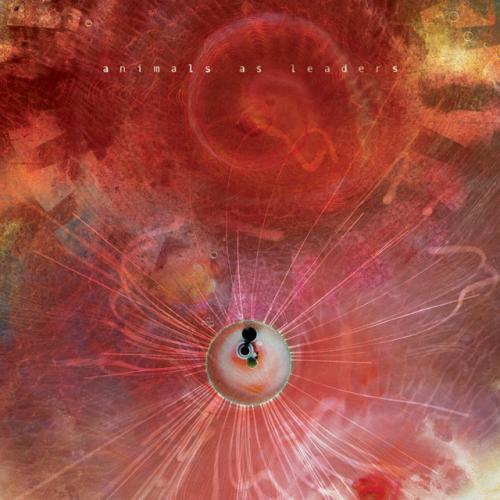
The most interesting conversation on Parrhesia takes place between the drums and the two guitars. Animals as Leaders make their parts overlap in ways that can feel unstable, then briefly lock together with striking force. The album's emotional character comes from those meetings: tension, curiosity and frustration become audible through changes in rhythm and texture.
Monomyth is a strong example of how the trio give a demanding arrangement a distinct personality. The guitar figures are sharply defined, and the electronic background adds another kind of movement around them. Matt Garstka's drumming responds with detail that makes the pattern feel active rather than fixed. Tosin Abasi and Javier Reyes sound closely connected, but their parts do not always travel in the same direction. That difference gives the track much of its energy.
Red Miso introduces a more fluid, jazz-informed atmosphere without removing the heavier pressure. Its electronic touches add colour inside the arrangement rather than sitting outside it. The Problem of Other Minds is especially effective at letting the guitar parts answer one another, creating a clear musical exchange within a compact form. These passages make the playing feel communicative, with the technical difficulty becoming part of the expression. The album's clean production helps the relationships remain audible even when the rhythms grow dense.
Thoughts and Prayers gives the lead guitar a more sustained emotional role, while Micro-Aggressions uses a harder electronic edge to disturb the texture. The intensity can still become abstract. Some rapid changes make a stronger impression as feats of coordination than as memorable compositional events, and the short quieter passages offer limited relief from that concentration. Gordian Naught closes with a forceful return to the trio's heavier language. The record succeeds most clearly when the musicians allow a phrase to carry a feeling before moving on. Those moments give the album a human scale inside its precision, making its complexity feel like a way of communicating rather than a barrier to entry.