Shaken by a Low Sound
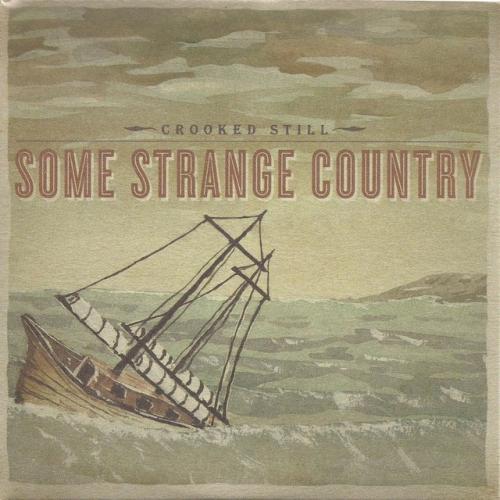
Shaken by a Low Sound gives older songs a recognisable sound of their own. Crooked Still build arrangements mainly around banjo, cello and double bass. Aoife O'Donovan's light, clear voice moves above them. Low strings give the music weight while her singing brings space and air. That contrast stays interesting throughout the record.
Their version of Bill Monroe's Can't You Hear Me Callin' immediately reveals the bluegrass roots. Cello soon pulls the sound in another direction, though. The instruments respond smoothly to each other while keeping melody first. Technical skill often appears through small shifts between the individual parts.
On Little Sadie, pace and sadness work especially well together. The story is dark, but the performance stays lively. Banjo and low strings give the voice an active foundation. The band avoid turning it into a large dramatic scene; tension grows through interaction instead.
Oxford Town/Cumberland Gap joins Bob Dylan's song with a traditional tune. The transition maintains energy and shows how naturally different sources fit together here. Lone Pilgrim can then slow the pace considerably. Small differences in sound gain more significance as a result.
The bluesy Come On In My Kitchen offers another character without breaking continuity. Arrangements stay concise and the earlier songs remain recognisable. Crooked Still need not take the material completely apart to do something fresh with it.
Closing track Wind and Rain gains considerable force from restraint. Voice, cello and guest fiddle let its grim story linger quietly. It suits an album that consistently trusts its melodies. Shaken by a Low Sound is warm, inventive and direct, with enough character to offer more than a carefully performed tribute to tradition.