All Ashore
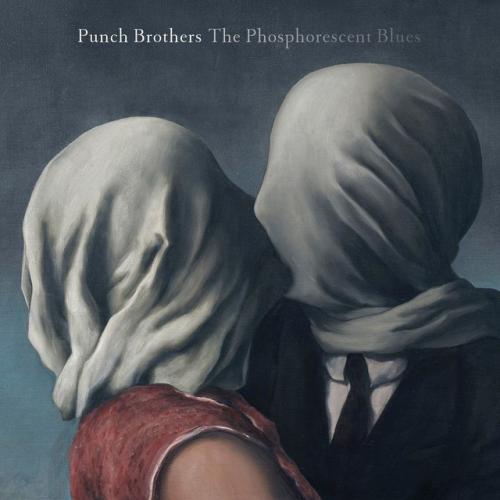
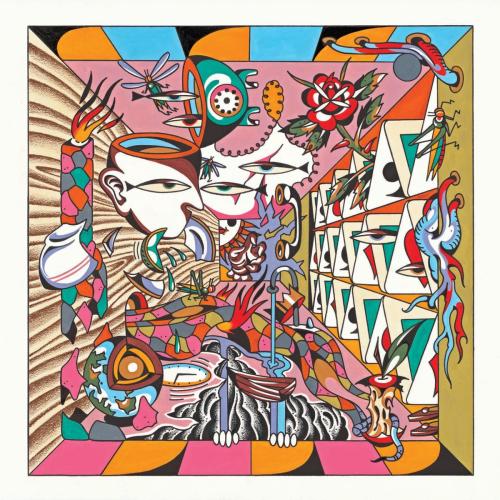
Punch Brothers feel less concerned with displaying their technical skill on All Ashore. The five musicians leave more room for calm, connection and the needs of a song. Their first self-produced album contains nine pieces designed to form a whole. Relationships are central, with pressure from the outside world never far away. The result feels more intimate than the sometimes elaborate The Phosphorescent Blues.
The title track provides a good starting point. Banjo and mandolin move over steady double bass, while the fiddle adds a lonely colour. The parts create a shared feeling, giving Chris Thile's singing an intimate setting.
That patience suits the subject. Virtuosity becomes an extra colour rather than the main attraction. The music does not answer every problem with an obvious burst of energy. Even when rhythms or melodies take unexpected turns, the group looks for connections between the parts. The Angel of Doubt gives that approach a different shape. The singing moves towards spoken rhythms and touches of hip-hop while the acoustic instruments keep their individual character.
The performances are not equally convincing throughout. Some vocal passages feel less comfortable than the instrumental playing. Jumbo, for example, remains flatter than the strongest moments. That is an understandable limitation on a record that brings the songs forward: an attractive arrangement cannot solve everything.
Still, All Ashore offers plenty to appreciate. The care in how these instruments respond to one another gives the music warmth. This is a thoughtful album whose individual character supports its quieter approach, even when it offers fewer immediate highlights.