The Angel and the Dark River
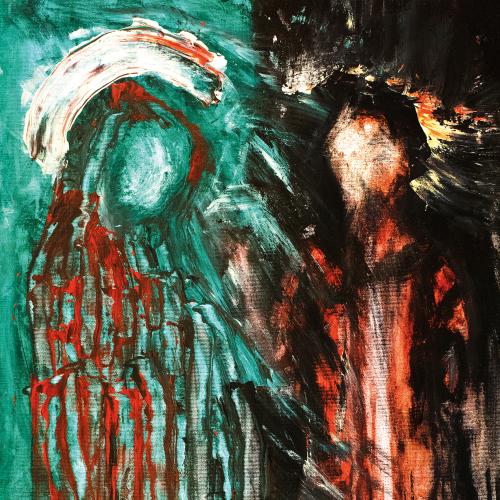
The Angel and the Dark River leaves the growls behind without making My Dying Bride's music lighter. Aaron Stainthorpe sings cleanly, low and often with obvious strain. Around his voice, the band build long pieces in which heavy guitars, violin and keyboards develop the same gloomy atmosphere. Feeling supplies as much of the weight as the riffs.
The Cry Of Mankind establishes that approach at length. It gives its melodies and atmosphere plenty of time to work. Keyboards and singing reinforce the atmosphere, while repetition deepens the mood. The band choose extended immersion over a quick succession of new ideas.
From Darkest Skies gives the sadness a particularly convincing form. Violin and guitars support each other, allowing melody to develop without sacrificing weight. The arrangements can sound large without losing the human voice inside them. That balance carries an important part of the album.
Stainthorpe's delivery will not connect with everyone immediately. The sustained singing makes the sorrow explicit and keeps little distance. It works within this music because the instruments follow the same direction. Your Shameful Heaven also proves that the band can raise the pace. Even with more movement, the dark atmosphere remains intact.
Not every slow passage holds attention equally well. The extended forms sometimes wander before a melody or heavier turn restores the tension. A distinctive sense of connection compensates. The Angel and the Dark River uses its quiet and heavy elements with clear purpose. It is an openly sorrowful album, but memorable melodies, rich arrangements and an individual voice make it much more than an exercise in misery. Its strongest moments find real character within that carefully sustained mood.