Beat the Devil and Carry a Rail
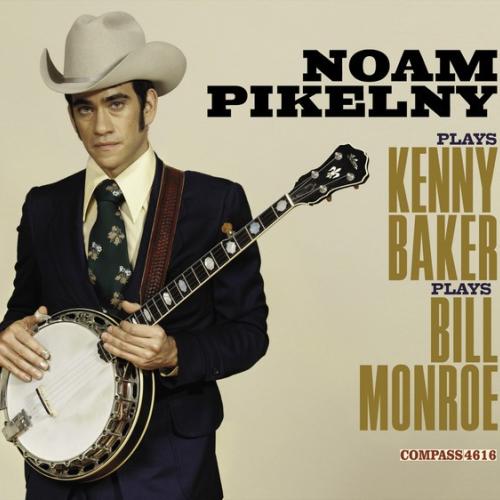
Beat the Devil and Carry a Rail puts banjo at the front without reducing the other instruments to backing. Noam Pikelny plays precisely and has a fine sense of tone. He uses that control for melodies that can feel familiar before taking another direction. The music keeps its bluegrass drive even when the construction grows more complicated.
On Jim Thompson's Horse and Boathouse on the Lullwater, the relaxed playing stands out. Clear picking gives small changes enough room. Banjo need not become constantly louder or faster to hold attention. Melody remains the main point of connection.
My Mother Thinks I'm a Lawyer and The Broken Drought find Pikelny playing more with form. Lines can turn back and take unexpected routes. The songs become active without losing contact with the other musicians. On Bear Dog Grit, exchanges with Chris Thile's mandolin and Bryan Sutton's guitar add particular pleasure.
Cluck Old Hen connects tradition with that same sense of possibility. Steve Martin contributes banjo and Tim O'Brien mandolin. The rhythmic movement can push forward and pull back. Interaction gives a familiar starting point fresh character.
The singing has an especially fine moment on Fish and Bird. Aoife O'Donovan approaches the Tom Waits and Kathleen Brennan song with a quiet, sensitive voice. Pikelny's delicate banjo and Stuart Duncan's fiddle keep its sadness close. It strongly contrasts with the livelier instrumentals.
The album mainly chooses subtle variety within acoustic forms. That makes it less radically different than some Punch Brothers music. But clear melodies, warm performances and inventive details make this an excellent record, concerned with more than earning admiration for technique alone.