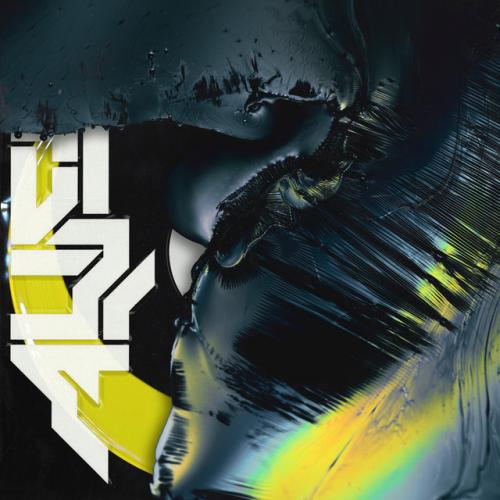
Obsidian
Obsidian often feels closer to a dark dance record than its low guitars first suggest. Northlane lets electronic patterns control the motion, with heavy instrumental attacks entering as changes in emphasis. The approach gives the songs a useful tension between a continuous pulse and sudden interruptions. Marcus Bridge's voice moves across that tension, finding clear melodies inside arrangements that rarely stand still.
Clockwork is one of the strongest examples. The central hook is immediate, and its repeated rhythmic idea makes the song feel driven without requiring constant acceleration. Echo Chamber pushes further toward a techno pulse, using the contrast between electronic movement and a heavier chorus to give its frustration a physical form. Clarity is a more gradual introduction to the same musical world. Its synth pattern establishes direction before the guitars and harsher voice increase the pressure, so the opening feels like a developed arrangement rather than a dramatic entrance followed by routine sections.
The album's range is both appealing and uneven. Carbonized has a substantial melodic refrain, while Abomination brings a harsher electronic attack. Some of the changes inside Xen feel like separate ideas placed beside one another, with the connections less persuasive than the individual sounds. Nova provides a gentler setting, but its relaxed mood alters the sequence more successfully than it develops the record's central tension. Inamorata restores a strong sense of direction through its active rhythm and well-placed vocal hooks. The final Dark Solitaire combines several textures with greater patience, allowing the album to end on a more integrated idea.
Bridge is a convincing guide through these changes, with enough difference between his restrained singing and abrasive delivery to give the music emotional range. The production makes the electronic layers substantial and keeps the low end physically present. Obsidian does not make every transition work equally well, but its strongest songs show a band thinking carefully about what heaviness can do inside a beat-led arrangement. The record is most rewarding when the melodic line, rhythmic pulse and guitar attack appear to need one another, creating movement that none of the parts could supply alone.