In the Passing Light of Day
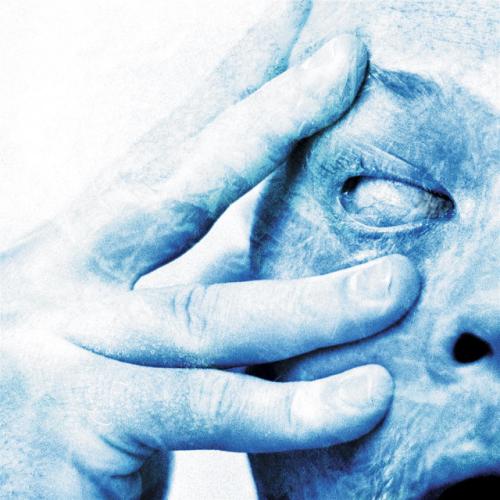
In the Passing Light of Day brings weight and vulnerability into the same space. Pain of Salvation return to a heavier progressive sound, with thick guitar riffs and forceful drums supporting Daniel Gildenlöw's very personal writing. The Swedish band's album grew from his experience of serious illness, but the music offers more than a difficult subject. Its best moments make the emotion clear through the arrangements themselves.
On a Tuesday sets a strong opening standard. The drums, bass and clipped guitar give the heavier passages an urgent physical presence, while quieter piano sections reveal a more exposed side. The song moves between those settings without making either feel like a break from the real performance. Both are needed for the larger shape to work.
Tongue of God keeps the pressure high through a strong groove. Meaningless makes more room around its heavy parts, with the contrast between Gildenlöw and Ragnar Zolberg's higher vocal lines giving the chorus extra force. The instrumental detail remains important, but the singing provides a clear reason to follow the changes.
Silent Gold is a useful reduction in scale. Piano, a carefully placed bass line and layered voices carry a straightforward song without the need for another large riff. Angels of Broken Things develops differently, moving from picked acoustic guitar towards a substantial instrumental ending and an extended guitar solo. These changes give the album more variety than its overall weight might suggest.
The closing title track is the largest statement. Its restrained opening gradually makes room for a much heavier central section, with the voice remaining closely connected to the music. The length allows the shift to matter, although the full record could lose some extended passages without damaging its main ideas.
The production brings another limitation. Its dense, bass-heavy sound does not always leave enough space for the strongest rhythmic hits to land cleanly. Yet the performances remain compelling, especially Léo Margarit's drumming and the contrast between the two singers. This is a long, sometimes crowded album with a clear emotional purpose. The stronger songs earn their scale through careful writing and a convincing balance of force and restraint.