Act IV: Rebirth in Reprise
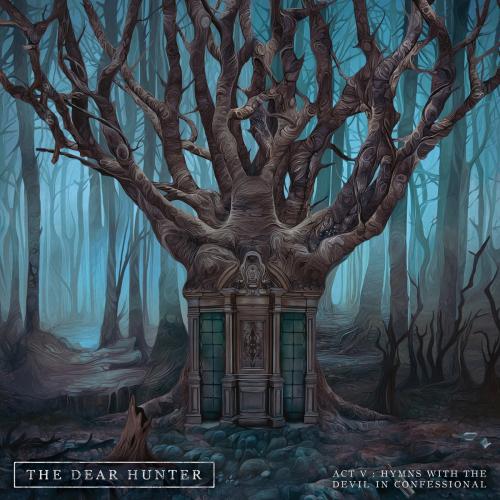
Act IV: Rebirth in Reprise brings The Dear Hunter's melodic rock and orchestral ambitions into a colourful, theatrical setting. Strings, horns and layered singing are central to the arrangements, helping the songs change mood without losing their identity. The wider narrative adds another level, but there is enough musical character here to make an introduction without studying the earlier chapters.
The Old Haunt makes good use of a clear vocal hook inside a changing rock arrangement. Its movement between a more sensitive setting and a larger attack gives the early sequence energy. Waves follows with a particularly strong combination of melody and backing harmonies, allowing the orchestration to strengthen the song's feeling rather than simply increase its size.
Remembered takes a gentler route through piano, strings and expressive singing. The more focused setting lets Casey Crescenzo's voice carry the emotional weight.
A Night on the Town develops on a much larger scale. Horns, percussion and shifting vocal lines give the piece a restless character, while its quieter later passages change the mood substantially. The arrangement has enough detail and movement to make the long form engaging.
King of Swords (Reversed) is the clearest stylistic detour. Its synthesizers and disco rhythm bring a different kind of release to the record. The change can feel slightly separate from the surrounding material, but it is also an enjoyable demonstration of the band's willingness to move beyond one established sound.
The Line finds strength in a softer setting, with acoustic guitar, strings and smaller percussion details around the singing. Wait then adds a darker, more direct approach. Those changes broaden the final stretch before Ouroboros brings the album to an abrupt close.
The sudden ending can feel less satisfying than the build towards it. Even so, Act IV contains memorable melodies, expressive performances and some excellent orchestral writing. Its ambition usually serves a recognisable song, making the album more approachable than its elaborate structure might suggest.