Epica
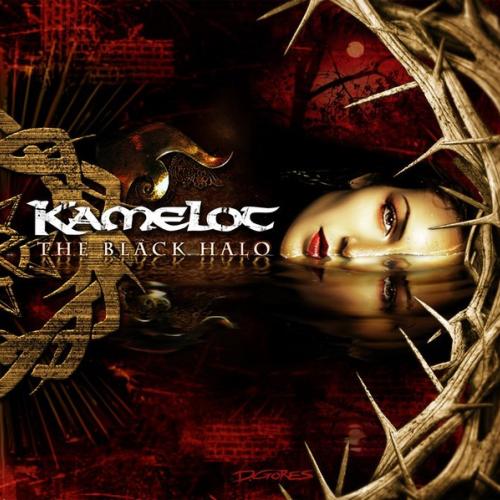
Kamelot make Epica a story that works without a separate explanation. This 2003 album takes inspiration from Goethe's Faust, but the music does not constantly demand a booklet beside it. Fast metal, quieter passages and short interludes keep the record moving. The connections matter, while the strongest songs can still stand on their own.
Center of the Universe and Farewell provide early momentum. Their choruses are easy to recognise, and the guitars remain firm enough to support the orchestral sound. Roy Khan is the central voice in more than one sense. He can sing with considerable force, but he also makes the melodies convincing through a gentler delivery. Those changes give the story more feeling than a constant display of vocal power would.
Thomas Youngblood plays with real fluency. His guitar work adds to the arrangements without always pushing to the front. The rhythm section holds the busier passages together, keeping the different layers connected. The brief interludes mostly act as links between songs. They establish a mood without taking over the whole album.
Even so, Epica is not equally direct throughout. Some sections need more attention before their melodies stay with you, and the slower passages can reduce the momentum. In return, Wander and On the Coldest Winter Night make a convincing case for the band's softer side. That contrast forms an essential part of the record.
Kamelot increase the tension again near the end. The Mourning After (Carry On) and III Ways to Epica give the closing stretch enough strength to support the larger structure. Epica asks for some time and concentration, but offers carefully arranged melodic metal in return. Its story increases the songs' impact without taking their place.