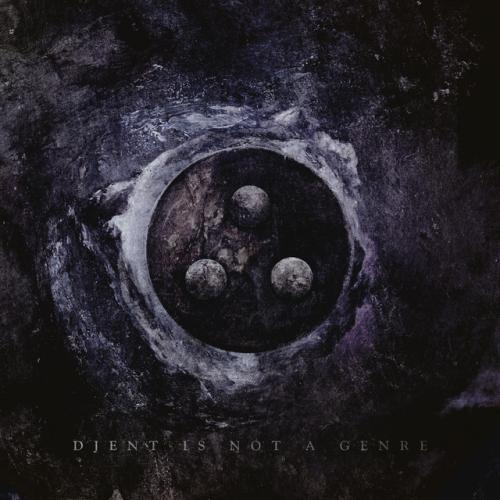
Periphery II: This Time It's Personal
A clean guitar line or a short vocal phrase can be more important than the most complicated riff on Periphery II: This Time It's Personal. The band have plenty of technical ideas, but the strongest songs give those ideas a melodic centre. That connection makes the album exciting even when its restless construction becomes difficult to follow.
Muramasa opens with layered guitars and a vocal melody that introduces the record's larger emotional scale. Have a Blast then makes the instrumental freedom more obvious, with quick turns and a guest solo from Guthrie Govan adding to the sense of activity. The guitars are highly detailed, while Matt Halpern's drums keep the changes feeling physical. The production is dense and carefully controlled, making the individual performances clear even when many things happen at once.
Scarlet provides a particularly strong meeting of movement and melody. Its guitar figures have a brighter character than the lower, more heavily accented passages elsewhere, giving Spencer Sotelo's singing a useful setting. Luck as a Constant starts from another compelling guitar idea and develops towards an extended lead exchange. Erised gives the cleaner vocal approach more room, with John Petrucci's guest solo adding a distinct melodic voice. These tracks show how the band's enthusiasm for detail can support a song rather than simply fill it.
Other sections are less convincing. The arrangements sometimes move to another impressive part before the previous idea has established a clear role, and Sotelo's high clean singing can sound more emphatic than the melody requires. The issue is direction rather than ability. Make Total Destroy works because its concentrated attack gives the shifting patterns a strong immediate purpose. The closing Masamune also benefits from a definite sense of arrival, bringing the heavier elements into a forceful final statement. The album asks for patience with its many turns, but its best passages reward that effort with memorable writing. Periphery sound most persuasive when the instrumental ambition and the vocal melody pull towards the same destination.