Eternal Return
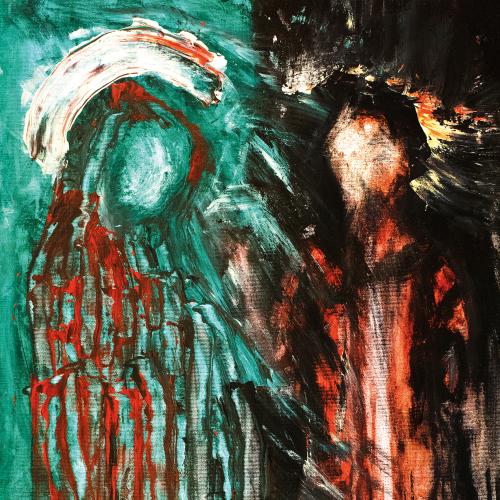
Eternal Return makes Windhand's heavy guitars easier to follow without losing their rough edge. Dorthia Cottrell's voice stands more clearly at the front and the riffs have a firmer shape. The band never change their sound radically, but allow melody and contrast to do more work.
Grey Garden gives that approach a strong centre. Guitar parts retain their slow weight while melodic differences receive greater emphasis. The voice moves convincingly through them. It remains heavy music, but feels less closed than a completely dense production would.
First to Die has more drive and a more direct structure. Compact riffs and a clearer vocal line make it recognisable sooner. Songs like this provide a useful balance against the longer, slower forms. Windhand show that stronger songs can retain their individual sound.
The quieter Pilgrim's Rest also chooses a different arrangement. Cottrell receives support from the band rather than only a restrained acoustic setting. This keeps it closer to the rest of the record while changing the intensity. The long Feather closes with an uneasy beginning and extensive guitar work which develops gradually.
Length remains the greatest challenge. Several songs move at similar speeds and use related riff patterns. Greater clarity never automatically makes each one equally distinctive. Eternal Return still convinces through its performance and stronger melodies, however. Shorter pieces bring more directness while larger forms retain plenty of Windhand's character. The result is approachable doom metal within an established sound: heavy and slow, but with a voice and guitar lines which contribute more than filling the space. Its most successful changes make the familiar elements work more effectively together.