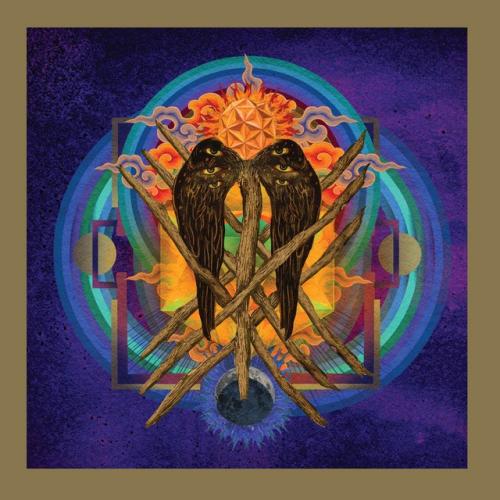
Soma
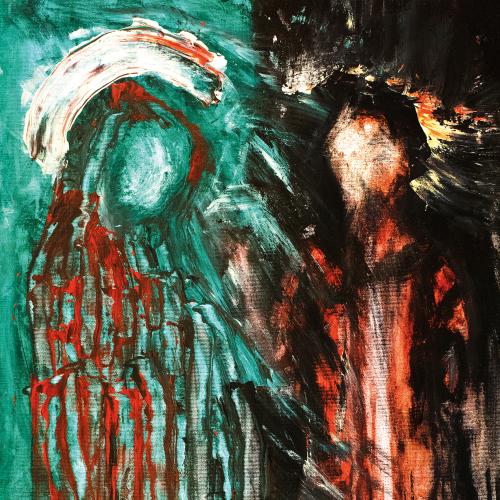
Soma finds its character in the contrast between heavy guitars and Dorthia Cottrell's singing. Windhand create a dense, distorted sound, but the voice gives the long songs a melody to follow. The music offers more than a collection of slow riffs even when the pace barely seems to change.
Orchard makes that combination work immediately. Guitars place considerable weight on the rhythm and drums keep the movement simple and firm. Cottrell's voice sounds slightly distant, almost part of the same distortion. This makes the melodies elusive, although the singing could occasionally stand further forwards.
Woodbine uses related elements and again makes the riff central. Twin guitars fill the space while the rhythm section maintains a slow groove. Small shifts in emphasis and melody provide most of the development. It works when the band alter a pattern just enough to give repetition a direction.
The long closing pieces put greater pressure on that method. Cassock keeps its dark guitar writing moving fairly convincingly. Boleskine takes much more time and allows a restrained acoustic passage around its middle. That contrast helps, but never justifies every repetition within its especially extended form.
Soma could have benefited from a tougher selection, particularly near the end. The best songs balance recognisable melody and dense weight, while longer passages sometimes remain where they already were. Windhand's sound stays appealing, however. Full guitars and Cottrell's voice give the music enough character to stand out within a familiar doom framework. The record is most convincing when a clear development supports that individual sound, allowing its melodies to do more than drift through the distortion.