Tweez
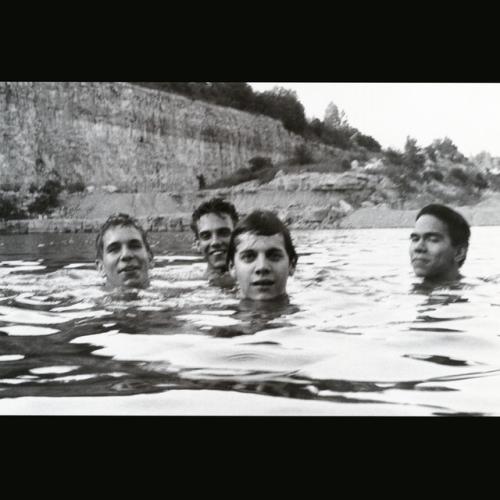
Tweez sounds as though Slint have not decided which strange ideas belong in a song. Guitars are sharp, bass is prominent, and rhythms can turn elsewhere halfway through. Conversations and brief voice fragments remain among the playing. This gives the debut a rough character that is sometimes messy but rarely impersonal.
After the studio remark about headphones, Ron arrives firmly. Guitar lines stick out while bass gives the track a clear movement. Different parts follow quickly without the music simply relying on speed. Nan Ding then reveals a softer side through clean guitar and background voices. That contrast immediately broadens the record beyond a run of noisy outbursts.
Charlotte uses strong tempo changes to increase its unrest. This can be exciting, although the transitions between ideas are not always convincing. On Darlene, guitar and bass instead connect in an appealingly repetitive way. The band can achieve a calmer effect with the same tools. Tension then comes more from proportion than noise.
Closing track Rhoda has a more continuous drive and broader guitar parts. It gives the short album a clear ending. Along the way, some sharp sounds or overextended ideas hold attention less firmly. Roughness is part of the appeal, but does not automatically make every decision strong.
Tweez is most interesting as a separate record with its own awkward energy. These songs deserve to be heard beyond their role in preparing for Spiderland. Slint already have a recognisable exchange between bass, guitar and rhythm. The best moments use strange interruptions to make something lively without requiring the band to surrender all control.