The Cleansing
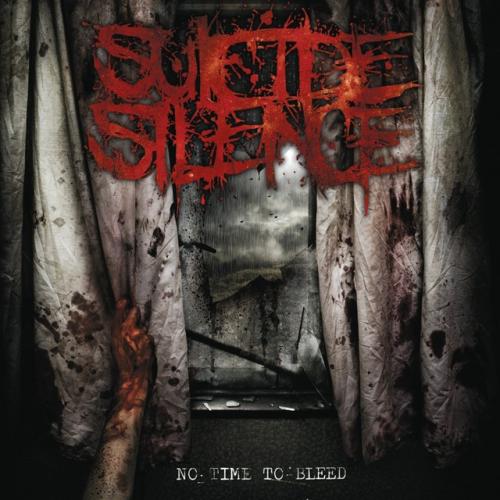
The Cleansing chooses a hard, direct approach immediately. Suicide Silence place low guitars, fast drums and slower eruptions close together. Mitch Lucker's voice moves between high screams and deep sounds, giving the attack a changing character beyond the guitar work.
The strength mainly lies in how tightly those elements are played. Riffs have a clear rhythmic emphasis and the drums respond with more than speed alone. When the band fall back to a slower pace, the music stays tense. The difference between racing passages and heavily accented moments is an important part of the effect.
The Disease shows what happens beneath that direct surface. The drums begin fiercely, then change their patterns to give the guitars more room. It moves through different riffs before its heaviest passage completes the development. That sequence makes the ending stronger than the same impact delivered without preparation.
In a Photograph again gives slow heaviness considerable emphasis. Rhythmic movement becomes the centre while the voice protects the rough edge. Full production gives the instruments enough force to make the approach convincing. This is music with a clear understanding of its intended physical impact.
The established formula also becomes audible. Many songs use related transitions, and repeated heavy interruptions lose some of their surprise. The record does little to change deathcore's boundaries. Suicide Silence still handle their chosen elements convincingly, however. The Cleansing is tightly played and effective in its direct attack, with a flexible extreme voice providing an additional strength. Its best pieces show enough development to offer more than the heaviest seconds of a song, making the full structures worth following.