The Valley
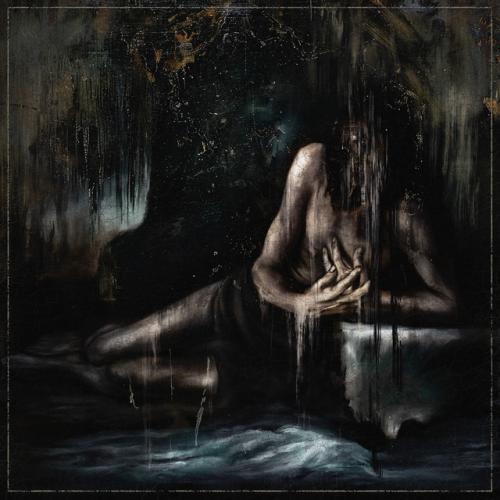
The Valley gives Whitechapel's heavy sound a clearer melodic side. Low vocals and hard guitars remain present, but are joined by restrained passages and clean vocal lines which genuinely belong to the songs. The band use contrast to achieve more than another large eruption.
When a Demon Defiles a Witch establishes that approach immediately. Acoustic sounds, fast drums and a cleaner vocal section each have a place. The transitions create variety without losing the song's direction. Phil Bozeman's voice can still reach considerable depth, but the softer passages give the heavier music around them more meaning.
Hickory Creek travels further in that direction. It relies entirely on clean singing and a slower, more melodic structure. The guitars retain enough weight to fit the rest of the album. It provides one of the clearest examples of how convincingly Whitechapel can write beyond their familiar attack.
The record keeps its harder side in view. Heavy grooves and direct passages provide a useful counterweight. Third Depth brings the two approaches close together, making room for a restrained voice before the heavier sound becomes more prominent again. These moments make the stylistic expansion feel natural.
Not every song reaches the same standard. Some heavier pieces use a familiar approach which leaves less of an impression beside the stronger melodic ideas. The placement of quieter songs can also make the flow feel abrupt. The Valley remains convincing through the opportunities it gives the voice and guitars, however. Whitechapel make a more approachable record while retaining their heavy foundation. Its best transitions suggest a band with a stronger understanding of what their songs need, allowing different kinds of intensity to work together.