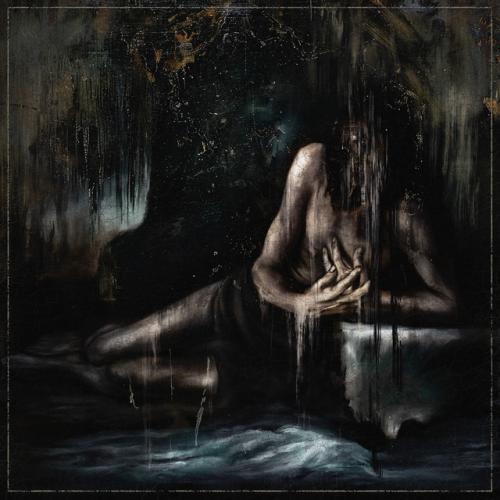
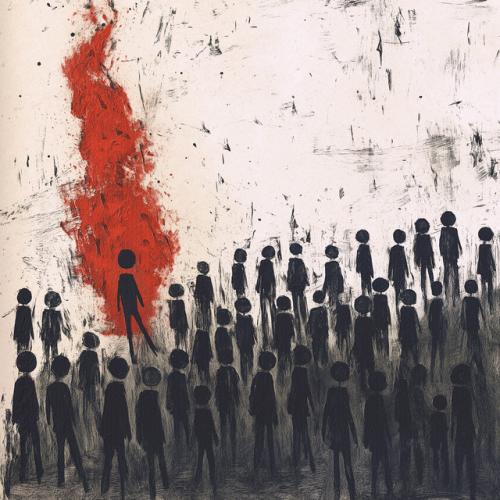
Kin
Kin gives Whitechapel's melodic side a permanent place beside the heavy guitars and deep vocals. The band increasingly seek the space of a rock song, but retain enough of their harder foundation to make the quieter passages meaningful. The record is strongest when those approaches work together within a single song.
I Will Find You begins with acoustic guitar before the sound becomes much heavier. The transition makes the method clear: quieter playing is part of the development rather than an unrelated piece between eruptions. Phil Bozeman uses his voice more widely, and the production gives restrained sounds and heavy guitars enough room.
History is Silent develops that contrast further. Acoustic influences and melodic singing receive space while larger passages retain their metal weight. It shows how well the band can maintain a recognisable line through clear changes in intensity. The voice does not need to remain harsh to stay convincing.
Lost Boy makes the connection between heavy grooves and a more melodic side especially effective. The harder passages never feel like an obligatory demonstration that Whitechapel can still hit hard. They strengthen the rest of the song. The softer Anticure exposes the rock influences further and widens the record's stylistic range.
Not every connection feels natural. Softer and harder ideas occasionally stand too obviously beside one another, leaving a song to recover its unity. Successful transitions are much more common, however. Kin is a carefully produced, varied record which deserves more than comparison with the early deathcore years. Whitechapel use their experience to bring melody, weight and a more flexible voice together. That relationship creates some of the album's most convincing moments.