Hymns in Dissonance
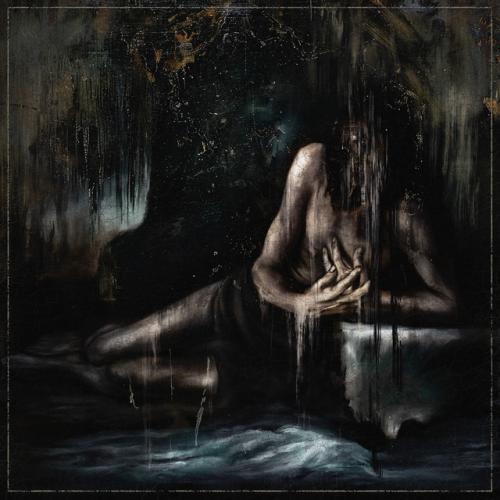
Hymns in Dissonance puts Whitechapel's hardest side at the front again. The melodic singing and broader rock influences of the previous records give way to deep roars, fast drums and extremely heavy guitar patterns. It never sounds like a simple step backwards, however. The experience in the writing remains clear.
A Visceral Retch uses slower, heavily accented passages to increase the pressure. Phil Bozeman moves between several rough vocal sounds and leaves no doubt about the chosen direction. Guitars and drums keep the attack controlled enough to provide more than a large sound alone.
Diabolic Slumber chooses a different beginning. Its threatening atmosphere receives space before the guitar lines and drums erupt more forcefully. This contrast gives the song a clear development. The band understand that an extreme attack becomes more effective when something first distributes the tension differently.
In Hate Cult Ritual, recognisable leads cut through the heavy rhythm and harsh voices. Melodic playing has not disappeared from the record; it has a different purpose. The ending of Nothing Is Coming for Any of Us makes that side clearer still. Guitar harmonies give the conclusion more space than the earlier sustained aggression might lead you to expect.
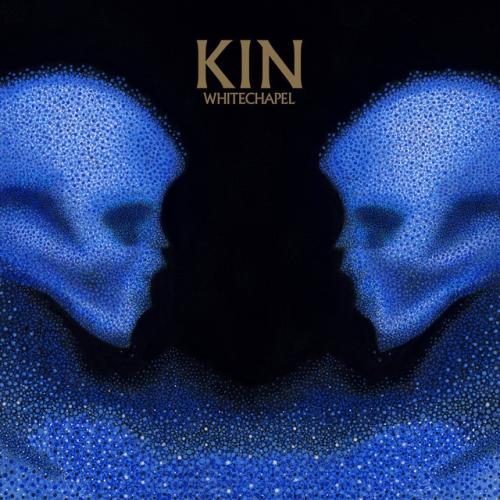
Anyone who particularly valued Kin's clean singing will notice the change in direction. This record stays deliberately hard and offers few of those more accessible resting points. That makes the intensity convincing, but also demanding. Within that choice, Whitechapel provide enough variation to give the songs distinct shapes. Hymns in Dissonance shows that heavier writing can retain considerable detail. Its strongest moments find their force in timing, recognisable guitar lines and the careful use of contrast.