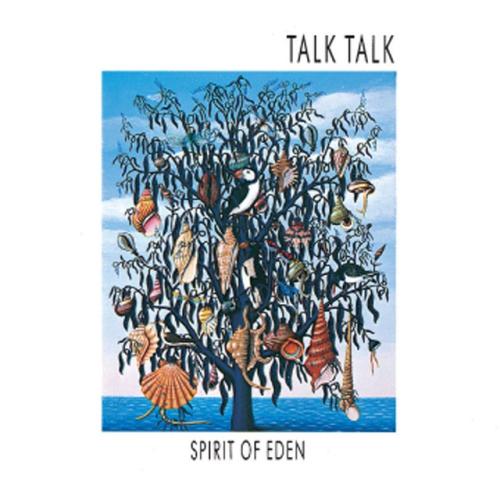
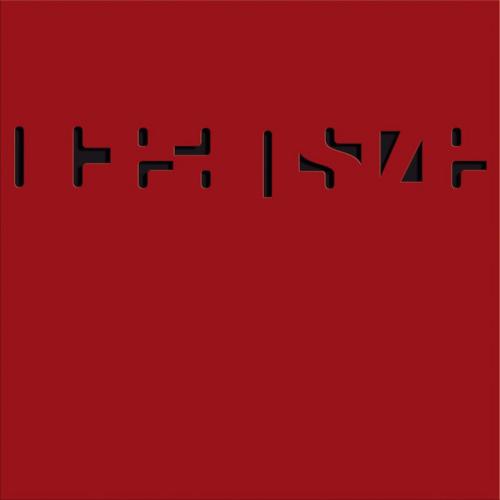
Laughing Stock
Laughing Stock often sounds as though the musicians carefully choose what to leave out. A guitar note, some organ or a small movement from the drums can consequently carry real weight. Talk Talk do not make the music simpler by playing less at once. The relationships between sounds become more important. Mark Hollis's voice fits this well: soft and fragile, but difficult to ignore.
Myrrhman opens cautiously. Separate sounds sit far apart and the singing avoids moving prominently to the front. Ascension Day then brings in firmer guitar and a much clearer rhythm. The music can grow and push, but its sudden cut denies the usual satisfaction of a completed rock song. That change takes a moment to adjust to.
After The Flood finds tension in another kind of movement. Organ and voice create a broad space that sharp guitar noise cuts through. The track can sound large without filling every gap. Taphead then does even less, using separate guitar notes and almost whispered singing. The silence between those parts helps hold attention.
On New Grass, the playing finds a smoother, more open movement. Drums and melodies provide light without losing the album's vulnerability. Closing track Runeii ends with quiet guitar, piano and voice.
This music does not always turn its best ideas into a repeated chorus. Some moments pass sooner than expected, and quiet passages ask for attention. In return, the record offers exceptional continuity. Laughing Stock uses jazz, ambient and guitar music as parts of the same language. Talk Talk build tension through carefully chosen sounds and achieve more than many much fuller records.