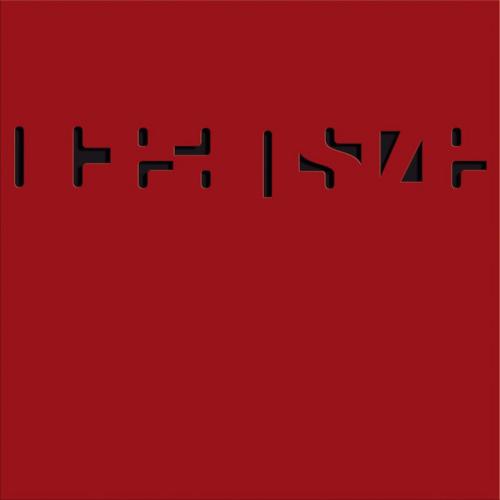
Millions Now Living Will Never Die
Millions Now Living Will Never Die gives Tortoise plenty of room to change their instrumental music's shape. The band use rock instruments but treat dub, electronics and repetition as equally important elements. The result sounds calm without doing the same thing throughout. Bass and drums provide stability while small changes in sound can determine the direction.
The major opening is Djed, a piece lasting roughly twenty-one minutes. It moves through several clearly different sections without losing its atmosphere. Dub-like effects give way to a steadier rhythmic drive before organ and vibraphone work with repeated figures. Later, guitars gain more influence again. The transitions matter as much as the individual ideas.
That long beginning fortunately leaves a purpose for the rest. Glass Museum has a more clearly defined shape and lets the interaction work on a smaller scale. The Taut and Tame gives guitar more direct movement, with rhythms changing enough to keep it lively. The musicians need no elaborate solo displays to demonstrate their abilities.
Not every short piece works equally well. A Survey feels more like a hesitant connection than a fully developed idea. Dear Grandma and Grandpa uses its brevity more convincingly, creating an atmospheric space with distant voices. Closing track Along the Banks of Rivers chooses a cinematic, melancholy melody. It provides a recognisable ending without breaking the calm mood.
Listeners seeking clear vocal lines or large outbursts need to adjust their approach. This record finds strength in interaction and gradual change. The music can seem relaxed while remaining surprisingly precise. Tortoise usually connect their experiments to strong rhythms and attractive sounds, keeping an accessible way into this extensive instrumental landscape. That balance makes the album rewarding without requiring constant displays of complexity.